
Customs Duty on Extra-EU Parcels Comes into Force: Corertex Calls for Part of Revenue to Support Textile Reuse and Recycling
January 9, 2026

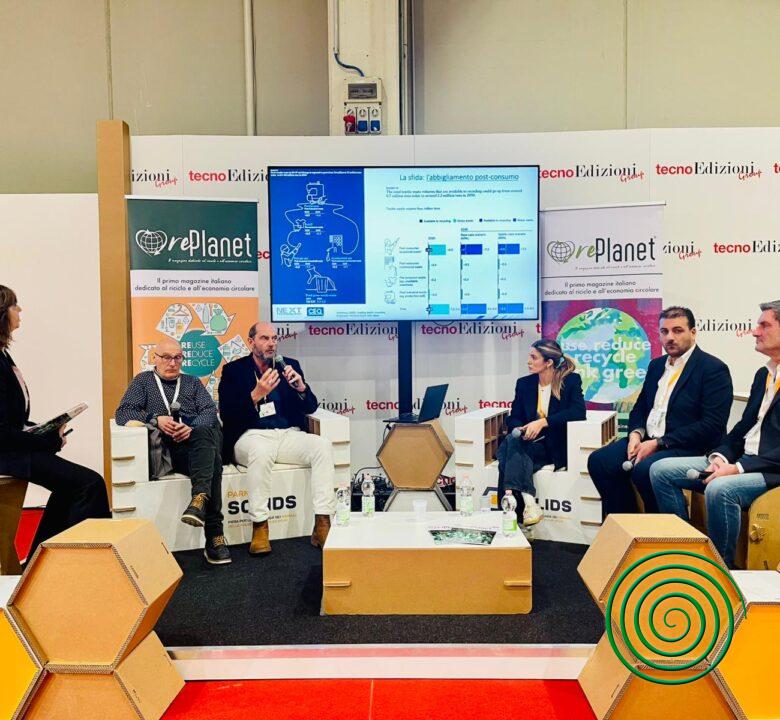
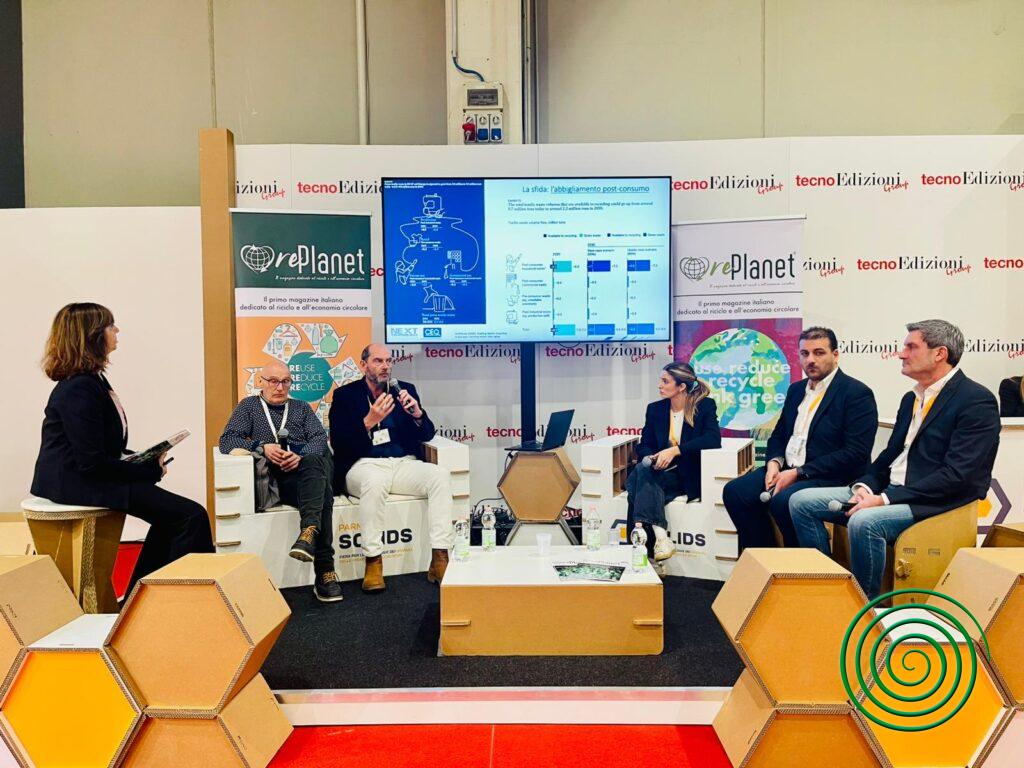
The future of the textile supply chain at the heart of Solids Parma: Corertex among the key players in the international debate
February 16, 2026
Textile Circular Economy: The “Prato Model” and the Corertex Challenge
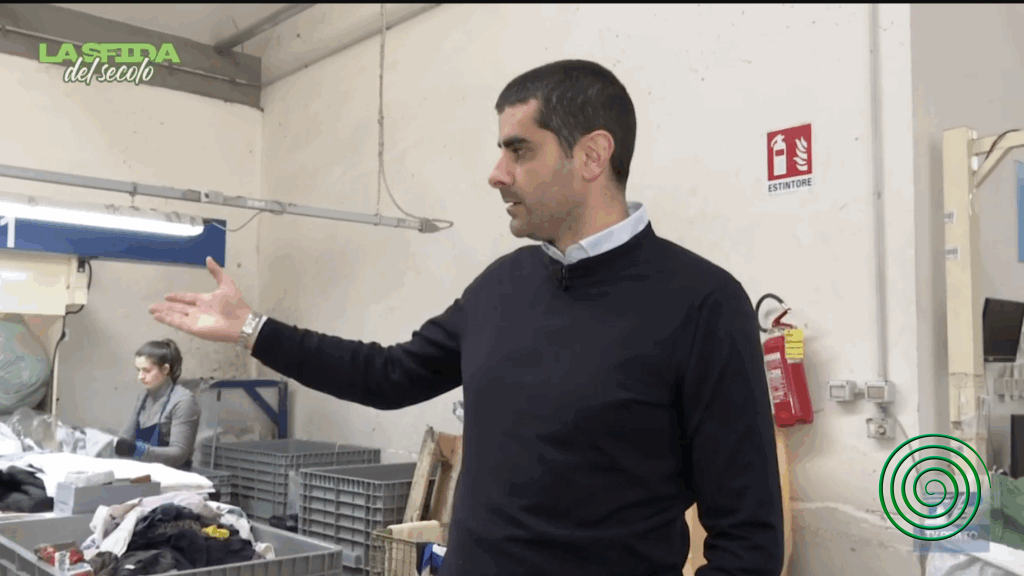
Circular economy is no longer just a trend; it is the backbone of the ecological transition. In this landscape, the Prato textile district stands out as a global leader, transforming a century-old tradition—dating back to the historic “cenciaioli”—into a modern, sustainable innovation model. In this article, we explore the Corertex Consortium’s vision through their latest interview on “The Challenge of the Century.”
Corertex Consortium: The Power of Collaboration
The Corertex Consortium was born from the synergy of entrepreneurs specialized in reuse and recycling with a shared goal: creating a network to navigate the complexities of the modern market.
Historic Heritage: Prato has been practicing circular economy since 1850. Today, the consortium leverages this know-how to maintain an active dialogue with institutional bodies.
Institutional Bridge: Corertex acts as a link between companies and policymakers, providing technical solutions based on a reality that already recovers up to 90% of textile waste.
The Regulatory Horizon: EPR and End of Waste
The textile sector is facing epochal regulatory shifts that require expert guidance:
EPR (Extended Producer Responsibility): A regulation that redefines the responsibilities of those who place garments on the market.
End of Waste: The crucial turning point where a material ceases to be classified as waste and becomes Secondary Raw Material.
Policy Advocacy: The consortium is pushing for tax incentives and concrete measures to stimulate the global demand for recycled materials.
The “Prato Model”: Balancing Social Impact and Material Recovery
The Prato recovery process is a unique ecosystem that blends ecology with social solidarity:
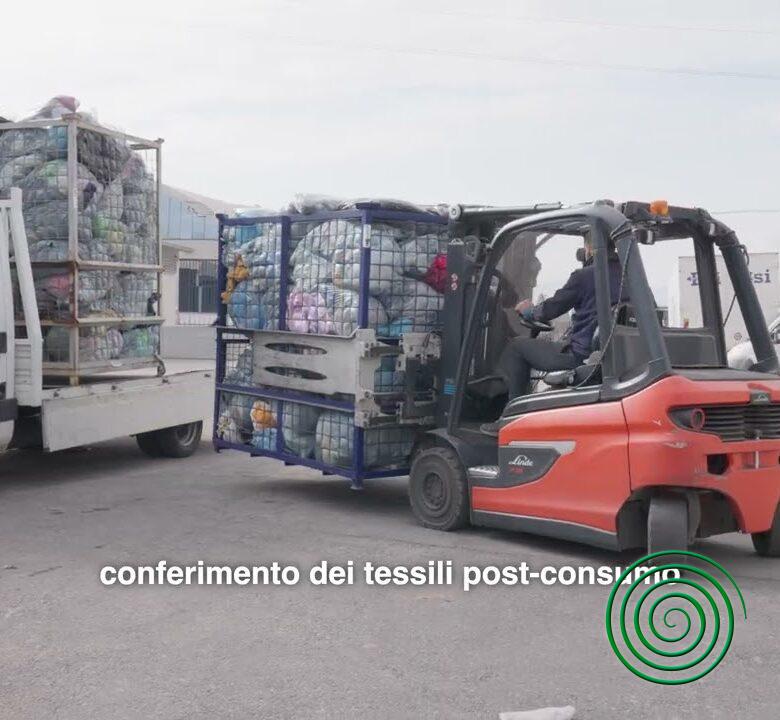
Social Impact: Collaboration with social cooperatives allows for the employment of vulnerable workers, adding human value to the collection of used garments.
Manual Sorting: Technology cannot replace the human eye. Garment selection is an expert, subjective activity that determines whether a piece can be reused or must be recycled.
Efficiency: Through rigorous processing, the district is able to bring order to chaos, standardizing raw materials that are inherently diverse.
The Fast Fashion Threat
Despite the district’s excellence, a new challenge is emerging regarding material quality:
Low Quality Standards: The rise of Fast Fashion and Ultra Fast Fashion is flooding the market with garments that are difficult to recycle or reuse.
Declining Efficiency: Due to the poor quality of new products, total recovery capacity has recently dropped from 97% to 90%.
Conscious Consumption: A true transition requires “buying less and buying better” to reduce the impact of microplastics and hazardous substances.
Building a Zero-Impact Future
The work of the Corertex Consortium and its members proves that reuse is the first, essential step toward true circularity. Gaining official recognition—including the need for a specific ATECO (industry) code—is the next step in validating a sector that sits at the heart of European sustainability.
To watch the full interview:
Credits:
TV Prato