The future of the textile supply chain at the heart of Solids Parma: Corertex among the key players in the international debate
The future of textile recycling and circular economy was a central topic at the international trade fair Solids Parma, one of Europe’s leading events dedicated to industrial technologies for material handling and processing systems. Among the key participants was the Corertex Consortium, which contributed to the discussion by presenting the experience of the Prato textile district and the Italian reuse and recycling model.
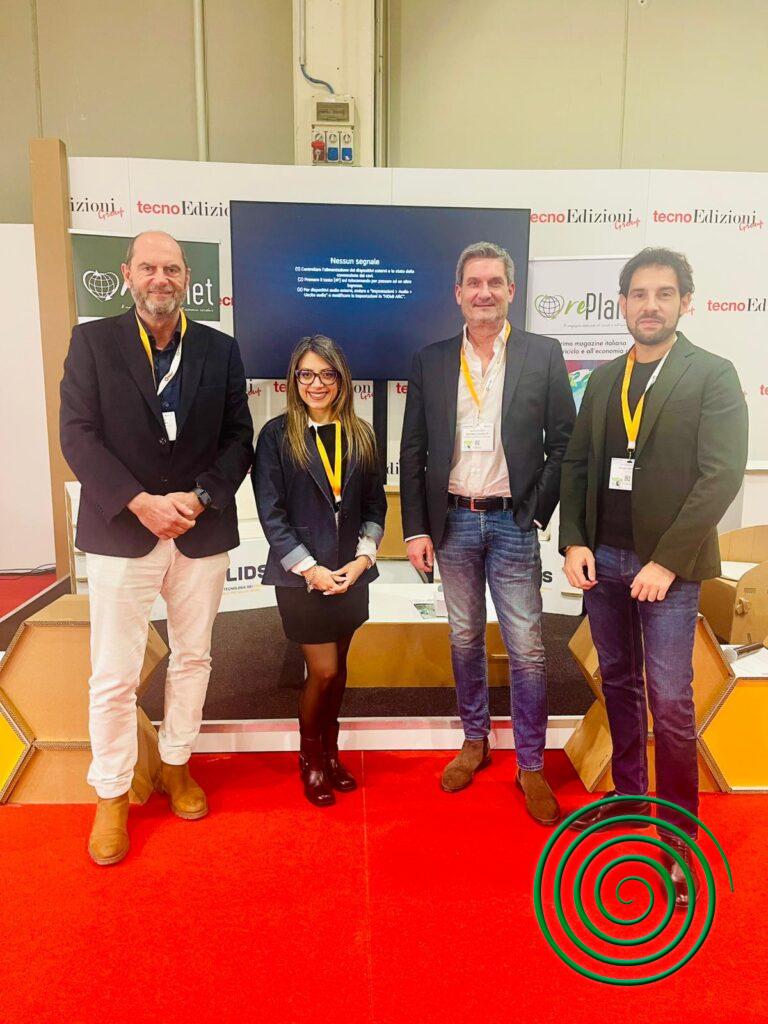
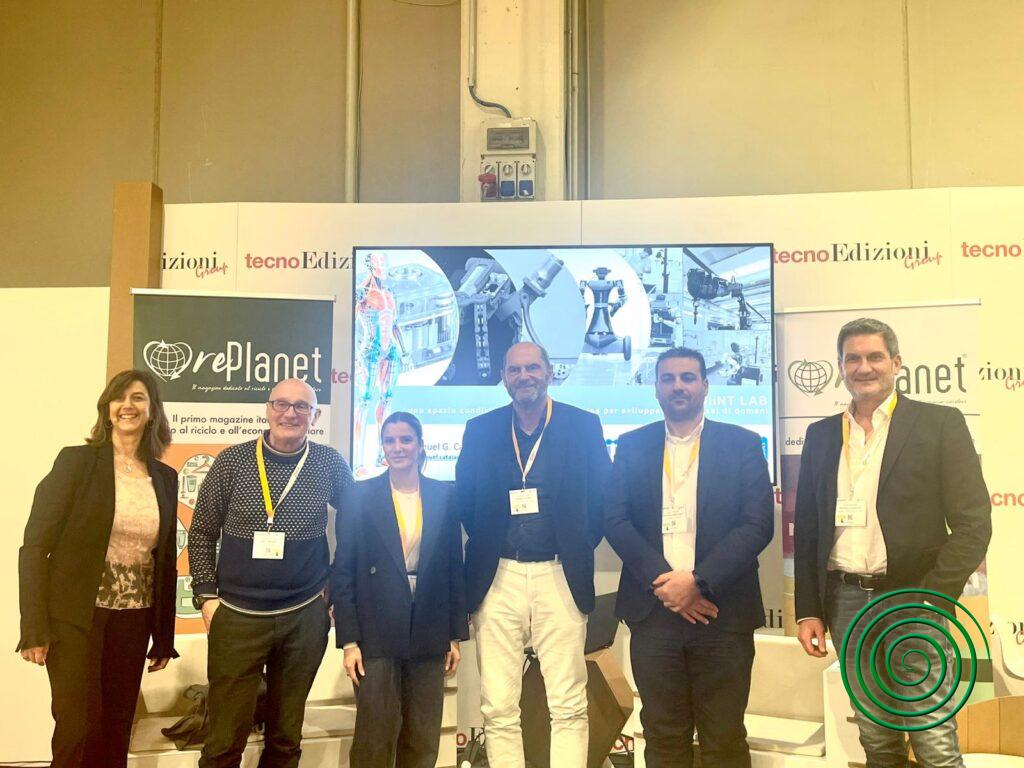
During the event, a panel titled “The future of textile recycling: Re-Think Textile, Re-Cycle Textile, Re-Future”, promoted by rePlanet, brought together experts, companies, and industry stakeholders to discuss technological, industrial, and regulatory perspectives for the sector. The debate highlighted how textile recycling is becoming a new frontier for process industries, where technological innovation, sustainability, and European regulation must converge to create an efficient and competitive system.
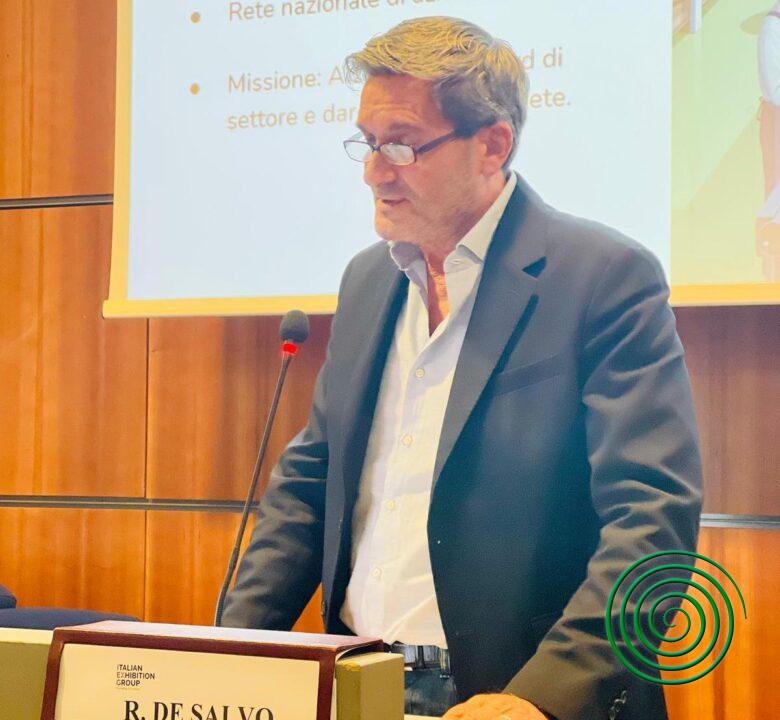
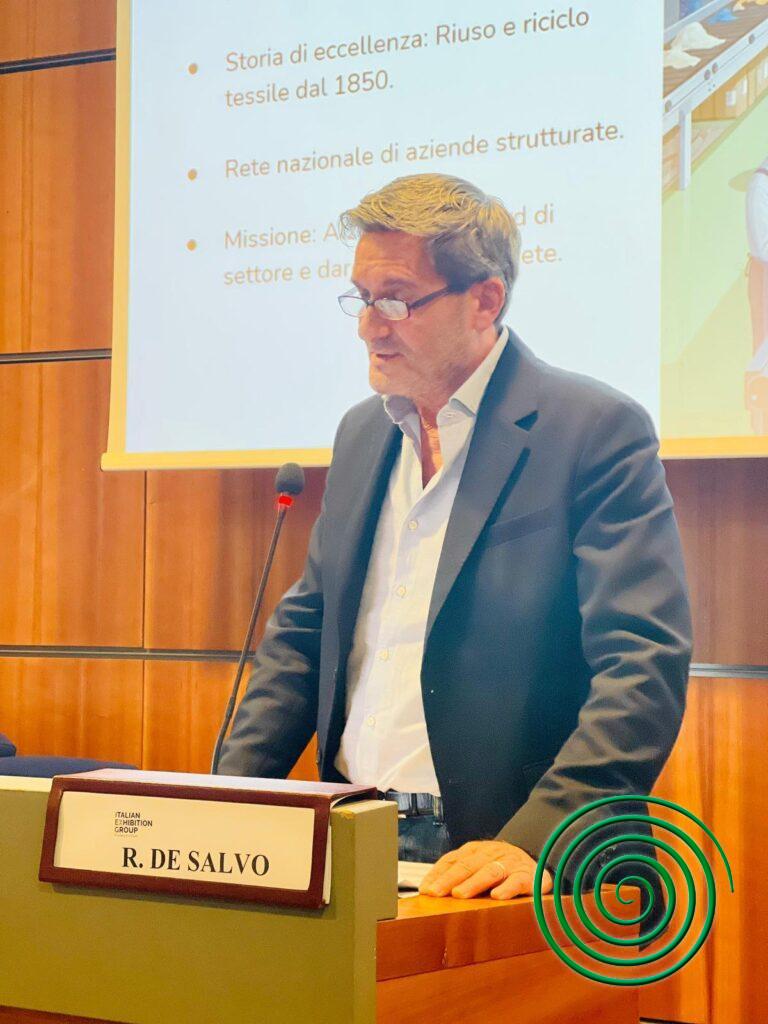
Representing the Prato district were Corertex President Raffaello De Salvo and Next Technology Tecnotessile Director Andrea Falchini, presenting the contribution of a territory that has developed advanced expertise in textile end-of-life management over decades.
The discussion reaffirmed how the Italian reuse and recycling supply chain can serve as a reference model at the European level, thanks to its ability to transform waste into new industrial resources. At the same time, the need for a clear regulatory framework emerged, particularly regarding future Extended Producer Responsibility (EPR) rules, considered essential to support investment and sector growth.
The Solids Parma debate confirmed the importance of collaboration between companies, research centers, and institutions to address the challenges of ecological transition, emphasizing that textile recycling is no longer only an environmental issue, but a real industrial and strategic opportunity for the future of the European economy.
The participation of the Corertex Consortium is part of a broader path of dialogue with national and international stakeholders, aimed at enhancing the district’s know-how and contributing to the development of an increasingly efficient, sustainable, and competitive circular system.