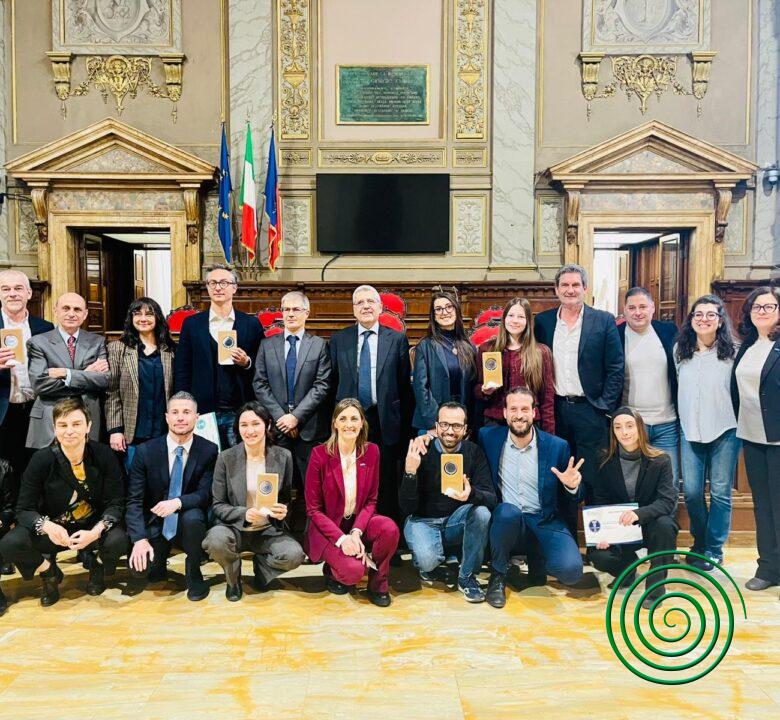

Corertex honoured in Rome by ICESP: a new national award for the value of textile reuse and recycling
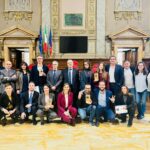
March 27, 2026Corertex Consorzio Awarded the National ICESP Prize: The Excellence of Textile Circular Economy Between History and Future
The Prato textile district has always been synonymous with innovation, tradition, and sustainability. Today, this circular economy model, deeply rooted in our history and recognized worldwide, receives a prestigious new seal of approval: the National ICESP Prize (Italian Circular Economy Stakeholder Platform), awarded to the Corertex consortium.
This recognition is not just a milestone for our consortium; it represents the validation of a unique heritage of expertise and know-how. Today, Corertex stands as a unified, competent, and structured institutional interlocutor for both national and European authorities. Our mission is clear: to elevate the sector’s qualitative and operational standards to safeguard a model that anticipates the future of Italian and global sustainability.
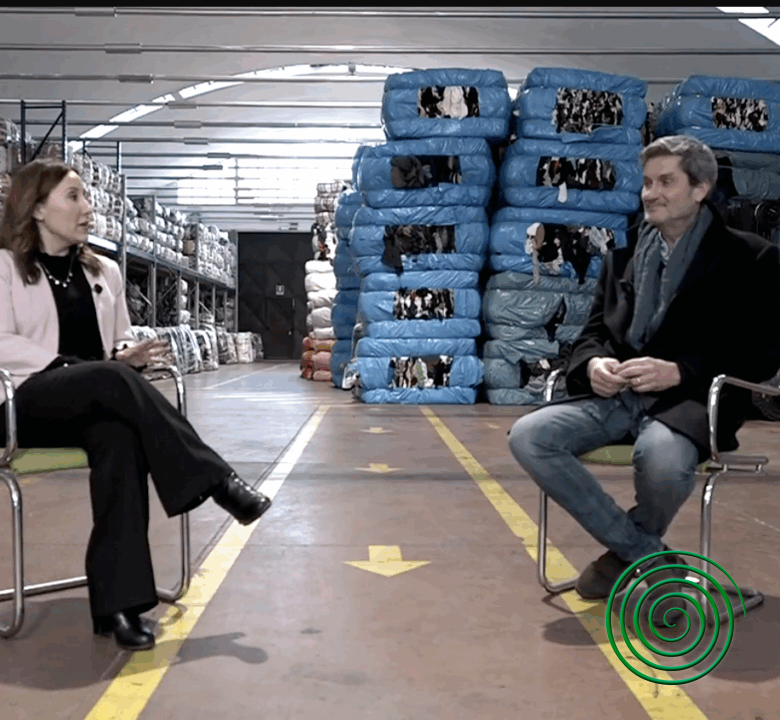
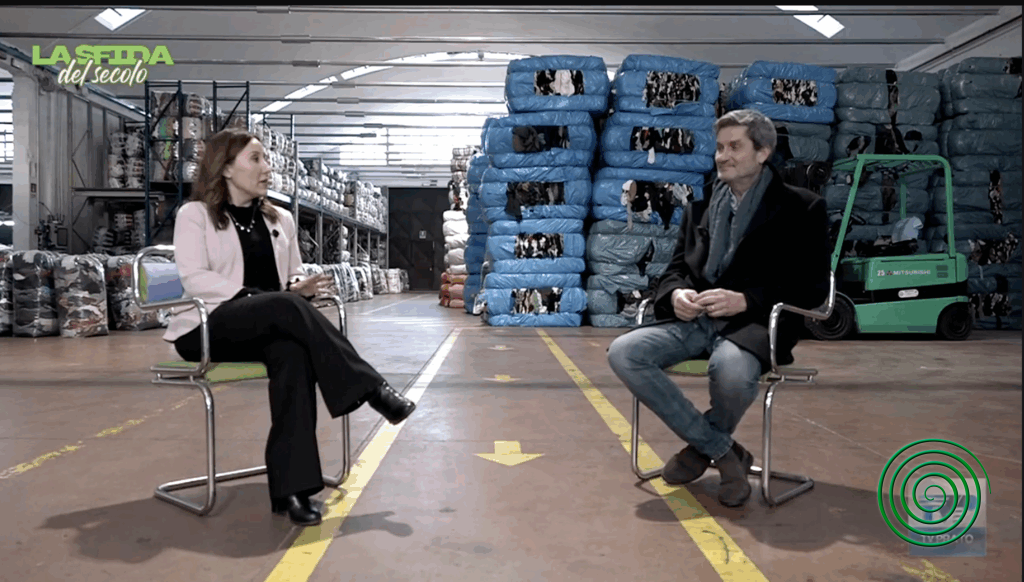
In the video accompanying this article, we take a closer look at our virtuous supply chain, which successfully recovers and upcycles up to 90% of processed materials.
Inside the Corertex Supply Chain: From Urban Waste to New Fiber
Understanding the value of textile recycling means closely examining the technical steps and craftsmanship that transform post-consumer materials into high-value resources. This process is a prime example of true industrial Upcycling. Here is how the cycle unfolds within our consortium’s facilities:
- Collection andSorting
The journey begins with the collection of urban post-consumer textile waste, gathered by local social cooperatives and delivered to our sorting hubs. This is where the crucial initial sorting takes place: operators separate textile from non-textile items and remove foreign materials, while making a vital first distinction between garments suited for reuse and those destined for recycling.
- Sanitizationand Traceability
The selected materials are then meticulously classified by fabric type, quality, and garment category. During this stage, all items are fully sanitized and completely tracked, making them ready to be baled and shipped—either to destination markets (in the case of reuse) or to specialized recycling facilities within the district.
- TheMechanicalUpcycling Process
For products destined for a new lease on life, the actual recycling process leverages the historical excellence of Prato’s carded wool tradition:
- Color Sorting: Garments are carefully grouped by color shade. This essential step eliminates the need for subsequent, chemically intensive, and environmentally impactful dyeing processes.
- Shredding (Sfilacciatura): Through a precise mechanical process, the fabrics are torn down and reduced back into raw fiber form.
- Water Treatment and Drying: The fiber is treated with water and then thoroughly dried inside specialized industrial ovens.
At the end of this journey, a high-quality regenerated fiber is obtained, fully prepared to be spun, woven, and reintroduced into the market.
Looking to the Future: Navigating Regulatory Challenges
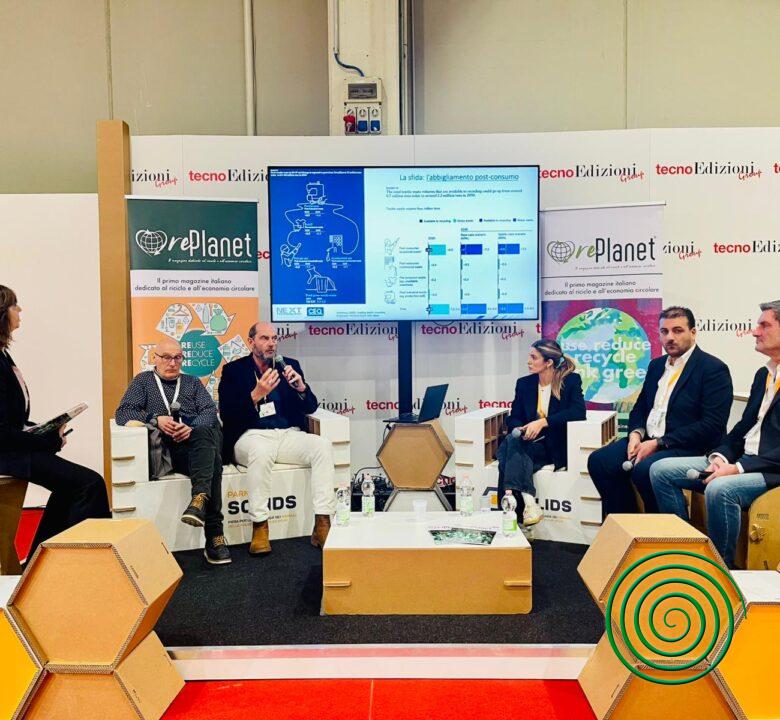
Achieving a 90% material recovery rate is an extraordinary result, achieved through years of refining industrial processes and building district-wide synergies. However, the textile recycling sector is now facing unprecedented global and European challenges.
This exceptional performance must be defended and fostered. Moving forward, it is crucial that upcoming European and national regulations (such as the Textile EPR – Extended Producer Responsibility directives) do not disrupt or penalize an already highly efficient system. Instead, policies should support its growth and protection. Corertex remains at the forefront, ensuring that the voice of genuine, field-tested circular economy is heard at institutional decision-making tables.